Tag Archives: armed security guards California

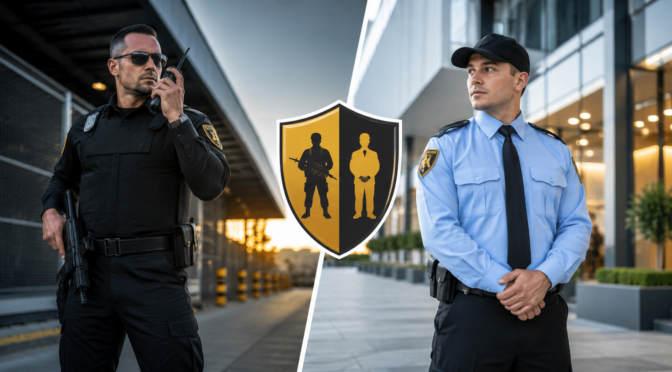
Armed vs Unarmed Security Guards: Which One Is Right for Your Business

Choosing between armed security guards in California and unarmed personnel is not just a budgeting decision—it’s a risk assessment decision that directly affects safety, liability, and business continuity. Many business owners only realize the importance of this choice after an incident occurs, which is often too late.

This guide breaks down the real-world differences between armed and unarmed security, when each is appropriate, and how to evaluate what your business truly needs. The goal is to help you make a confident, informed decision based on practical risk—not assumptions.

Understanding the Role of Security in Modern Business

Security today is no longer just about standing at a door or watching cameras. Threats have evolved—ranging from organized theft and workplace violence to infrastructure sabotage and emergency response gaps.

Businesses now rely on layered protection strategies that may include:

  • Physical deterrence through guards
  • Surveillance systems
  • Access control systems
  • Emergency response protocols
  • On-site patrol coverage

Within this system, both licensed armed security officers California and Unarmed Security Guards play important but very different roles.

Understanding where each fits is the foundation of building an effective security plan.

Armed Security Guards in California: When Higher Protection Is Required

Businesses typically consider armed security guards in California when the risk level exceeds what standard deterrence can manage.

Armed guards are trained professionals licensed to carry firearms and respond to high-threat situations. Their presence is both preventive and responsive.

Situations Where Armed Security Makes Sense

In real-world practice, armed protection is often recommended in environments such as:

  • Cash-intensive operations (banks, casinos, large retail chains)
  • High-value inventory storage facilities
  • Late-night businesses in high-crime areas
  • Logistics hubs and transport depots
  • Sensitive corporate or government-adjacent sites

In these environments, armed protection services California provide not only deterrence but also immediate response capability if a threat escalates.

Understanding Risk-Based Deployment

Security professionals don’t assign armed personnel randomly. The decision is based on a structured risk evaluation.

Key Risk Indicators

  • History of theft or attempted break-ins
  • Exposure to armed robbery threats
  • High-value assets stored on-site
  • Limited police response time in the area
  • Public-facing operations with unpredictable traffic

When these factors combine, armed security guards in California become a practical necessity rather than an optional upgrade.

When Unarmed Security Guards Are the Better Choice

Not every situation requires firearms or high-level tactical response. In fact, in many environments, Unarmed Security Guards are the more appropriate, cost-effective, and customer-friendly option.

Unarmed guards focus on:

  • Access control
  • Monitoring CCTV systems
  • Visitor management
  • Incident reporting
  • Conflict de-escalation

Ideal Use Cases for Unarmed Security

  • Corporate offices
  • Residential complexes
  • Schools and educational campuses
  • Retail stores with low theft risk
  • Medical clinics and reception areas

In these environments, visibility and communication matter more than force response.

The Real Difference in Capability

The distinction between armed and unarmed personnel is not just weapons—it’s training, responsibility, and legal authority.

FactorArmed GuardsUnarmed Guards
Response LevelHigh-risk interventionDe-escalation & reporting
Threat HandlingArmed threat responseNon-violent conflict resolution
DeterrenceVery highModerate
Risk EnvironmentHigh-risk security protectionLow to medium risk
CostHigherLower

This is why professional armed guards California are typically assigned only after a detailed site evaluation.

Where It Becomes Essential

Certain industries cannot rely solely on passive security measures.

1. Critical Infrastructure Protection

Facilities like power stations, water systems, and communication hubs require critical infrastructure protection strategies. Any disruption can impact entire communities.

Here, armed personnel help prevent sabotage, unauthorized access, and coordinated threats.

2. Emergency Response Security

In situations where threats escalate quickly, response time is everything.

Emergency response security teams trained for armed deployment can:

  • Contain active threats
  • Secure evacuation routes
  • Coordinate with law enforcement
  • Stabilize high-risk incidents

This is especially important in large commercial environments or public-facing facilities.

3. Armed Facility Security

Certain properties require continuous armed oversight due to asset sensitivity.

Examples include:

  • High-value warehouses
  • Data centers
  • Financial storage facilities
  • Government-related infrastructure

This level of armed facility security is designed to prevent both internal and external threats.

Mobile Protection Strategy

Unlike static guards, armed patrol security services California involve mobile units that monitor multiple points within a property or district.

This approach is effective because:

  • It reduces blind spots
  • Increases unpredictability for potential intruders
  • Improves rapid response coverage
  • Enhances perimeter control

Security patrol systems are often used in large industrial zones or multi-building campuses.

Practical Insights from Field Experience

Security planning is not theoretical—it is based on real incidents, patterns, and response outcomes.

Visibility Alone Can Deter Crime

In many cases, simply having trained personnel on-site reduces attempted incidents by a significant margin.

Response Time Matters More Than Equipment

Cameras record incidents—but guards prevent escalation in real time.

Hybrid Security Models Work Best

Many businesses use a combination of armed and unarmed personnel depending on zones within the same property.

For example:

  • Unarmed guards at entry points
  • Armed guards for perimeter patrol or high-value zones

Common Mistakes Businesses Make

1. Choosing Based Only on Budget

Selecting unarmed security purely to save costs often leads to higher losses in high-risk environments.

2. Misjudging Risk Level

Businesses often underestimate how quickly their risk profile can change due to location, growth, or public exposure.

3. Over-reliance on Technology

Security systems are important, but they cannot physically intervene during an incident.

4. Ignoring Licensing and Compliance

Only properly vetted licensed armed security officers California should be deployed in armed roles.

Expert Advice: How to Choose the Right Option

Security experts typically recommend a structured evaluation:

Step 1: Conduct a Risk Assessment

Identify threats, vulnerabilities, and asset value.

Step 2: Analyze Incident History

Review past security incidents or near-misses.

Step 3: Evaluate Environment

Consider surrounding crime rates, accessibility, and visibility.

Step 4: Match Security Type to Risk Level

  • Low risk → Unarmed Security Guards
  • Medium risk → Hybrid model
  • High risk → Armed deployment

At this stage, providers like Feel Safe Private Security typically design a customized solution based on operational needs rather than generic packages.

Why Movement-Based Protection Matters

Static security has limitations. Security patrol systems add a dynamic layer that improves coverage.

Benefits include:

  • Unpredictable monitoring routes
  • Faster detection of suspicious activity
  • Broader property coverage
  • Improved deterrence in large areas

This is particularly effective for warehouses, industrial parks, and multi-entry facilities.

Final Comparison:

The decision ultimately depends on risk, not preference.

  • Choose Unarmed Security Guards when safety needs focus on monitoring, customer interaction, and low-risk environments.
  • Choose armed security guards in California when threats involve theft, violence risk, or critical asset protection.

Both roles are essential in modern security planning—but they serve very different purposes.

Conclusion

The choice between armed and unarmed security is not about which is “better,” but which is appropriate for your environment.

Businesses dealing with high risk security protection, sensitive infrastructure, or emergency exposure often require armed personnel. Others operate effectively with unarmed guards supported by systems and protocols.

The key is accurate risk assessment and professional guidance. With the right strategy, businesses can achieve strong protection, operational continuity, and peace of mind without unnecessary costs or gaps in coverage.

FAQs

1. When should a business hire armed security guards in California?

A business should consider armed security guards in California when there is a credible risk of theft, violence, or protection of high-value assets. This includes cash-heavy operations, warehouses, and high-risk zones.

2. Are Unarmed Security Guards enough for most businesses?

Yes, in low-risk environments like offices, clinics, and residential buildings, Unarmed Security Guards are usually sufficient. They focus on prevention, monitoring, and de-escalation.

3. What is the main difference between armed and unarmed security?

The key difference is response capability. Armed guards can respond to high-threat situations, while unarmed guards focus on observation, reporting, and conflict prevention.

4. Do armed guards improve emergency response security?

Yes. Emergency response security is significantly enhanced with armed personnel because they can respond immediately to escalating threats before law enforcement arrives.

5. What is included in armed patrol security services California?

Armed patrol security services California typically include mobile surveillance, perimeter checks, rapid response coverage, and continuous monitoring of large or high-risk properties.

When Businesses Should Hire Armed Security Guards

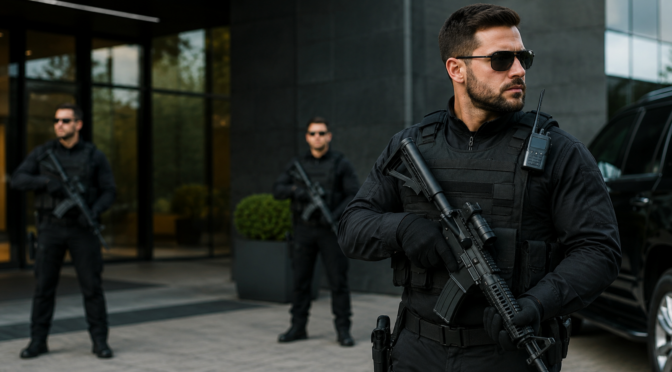
In today’s rapidly evolving risk landscape, many businesses across California are realizing that standard security measures are no longer enough. Rising incidents of theft, workplace violence concerns, and protection requirements for sensitive assets have made security planning more complex than ever.

This is where Armed Security Guards become a critical part of a layered protection strategy.

But the real question business owners often ask is: When is it actually necessary to move from unarmed to armed security? Hiring armed personnel is not just a budget decision—it’s a strategic risk-management choice that can directly impact safety, liability, and business continuity.

In this guide, we’ll break down exactly when businesses should consider armed protection, how it works in real-world scenarios, and what industry professionals at companies like Feel Safe Private Security typically evaluate before making recommendations.

Understanding Armed Security in Today’s Risk Environment

Before deciding whether armed protection is necessary, it’s important to understand what armed security truly involves.

Armed security guards in California are licensed professionals trained under strict state regulations. They are authorized to carry firearms while performing duties such as:

  • Monitoring high-risk premises
  • Responding to immediate threats
  • Preventing unauthorized access
  • Protecting people, property, and sensitive assets

Unlike general security staff, licensed armed security officers California undergo advanced firearm training, de-escalation training, and legal compliance education. Their role is not aggressive enforcement but controlled, lawful protection in high-risk environments.

Businesses typically upgrade to armed services when the risk profile exceeds what unarmed guards or surveillance systems can manage alone.

When Do Businesses Actually Need Armed Security Guards?

Not every business requires armed protection. However, certain conditions significantly increase risk levels. Based on industry experience, here are the most common scenarios where armed security becomes necessary.

High-Risk Locations and Crime Exposure

Armed Security for High Crime Zones (Armed Security Perspective)

Businesses operating in areas with elevated crime rates often face recurring issues such as:

  • Break-ins after hours
  • Armed robberies
  • Vandalism targeting storefronts
  • Organized theft attempts

In these environments, armed security guards in California provide a strong deterrent effect. Criminals are significantly less likely to target properties with visible armed presence.

This is especially relevant for:

  • Liquor stores and convenience stores
  • Jewelry shops
  • Late-night retail businesses
  • Urban commercial districts

Security for Cash-Intensive Operations

Cash-heavy businesses face unique vulnerabilities. Even with digital payment systems growing, many industries still handle large amounts of physical currency.

Examples include:

  • Casinos and gaming establishments
  • Banking and financial services
  • Currency exchange centers
  • Large retail chains with high daily cash flow

In these situations, armed protection services California help reduce the risk of targeted robbery. Armed guards also provide secure cash transport escort support when required.

Protecting Critical Infrastructure

Armed Facility Security for Essential Operations

Critical infrastructure facilities require elevated protection due to their importance to public safety and operations. These include:

  • Power stations
  • Water treatment plants
  • Communication hubs
  • Transportation control centers

Here, armed facility security is not just about theft prevention—it’s about preventing disruptions that could impact entire communities.

Topic clusters like critical infrastructure protection and high risk security protection are especially relevant in these environments because even minor security breaches can lead to large-scale consequences.

Businesses Facing Threats or Legal Risk Exposure

Some businesses may not be in high-crime zones but still require armed protection due to:

  • Past incidents of violence or threats
  • High-profile ownership or executive presence
  • Ongoing legal disputes or sensitive operations
  • Public-facing controversy or media exposure

In such cases, professional armed guards California provide reassurance and real-time threat response capability.

Large Events or High-Value Gatherings

Events involving large crowds or high-value assets often require stronger protection measures.

Examples include:

  • Corporate events with VIP attendance
  • Auctions and private sales
  • Film productions and celebrity events
  • Political or public gatherings

Here, armed patrol security services California may be deployed to ensure perimeter control and emergency readiness.

Armed Security vs Unarmed Security: Key Difference

A common misconception is that armed guards are always “better.” In reality, it depends on risk level.

FactorUnarmed SecurityArmed Security Guards
Risk LevelLow to moderateModerate to high
Response CapabilityObservation & reportingActive threat response
DeterrenceModerateHigh
CostLowerHigher
Use CaseRetail, officesHigh-risk sites

The decision should always be based on professional risk assessment rather than assumption.

Practical Insights from Real-World Security Operations

From field experience, security professionals often evaluate three major indicators before recommending armed deployment:

1. Incident Frequency

If a business has repeated break-ins or threats, escalation is often necessary.

2. Asset Sensitivity

High-value goods, confidential data, or cash-heavy operations require stronger protection.

3. Environmental Risk

Surrounding crime trends and accessibility play a major role in determining risk exposure.

At Feel Safe Private Security, assessments are typically conducted on-site to ensure recommendations align with actual operational conditions—not guesswork.

Common Mistakes Businesses Make When Hiring Security

Many businesses make avoidable errors when deciding on security solutions.

1. Choosing Based on Cost Alone

Opting for cheaper unarmed services in high-risk environments often leads to higher losses later.

2. Ignoring Risk Growth

Businesses evolve. A location that was safe two years ago may now be in a high-risk zone.

3. Overestimating CCTV Systems

Surveillance helps with evidence—but it does not prevent active incidents.

4. Hiring Without Proper Licensing Checks

Only licensed armed security officers California should be considered for armed roles.

Expert Advice: How to Decide If You Need Armed Security

Security professionals typically recommend asking these questions:

  • Have we experienced threats or incidents in the past 12–24 months?
  • Are we handling cash or high-value assets regularly?
  • Would a delay in emergency response cause major losses?
  • Is our location exposed to after-hours vulnerability?
  • Do employees or customers feel unsafe?

If the answer is “yes” to multiple questions, upgrading to armed protection services California is often justified.

The Role of Armed Security in Modern Business Protection

Modern security is no longer reactive—it is preventative and intelligence-driven.

Armed Security Guards play a key role in:

  • Preventing escalation before it happens
  • Maintaining visible deterrence
  • Supporting law enforcement response
  • Protecting both people and property under pressure situations

They are especially valuable in armed security patrol setups where continuous monitoring reduces blind spots and improves situational awareness.

Why Professional Deployment Matters

Not all armed guards provide the same level of professionalism. Proper training, licensing, and situational judgment are essential.

High-quality providers like Feel Safe Private Security focus on:

  • Background-verified personnel
  • Continuous training updates
  • Compliance with California regulations
  • Scenario-based threat response preparation

This ensures that security presence enhances safety rather than creating unnecessary risk.

Conclusion:

Hiring Armed Security Guards in California is not a decision based on fear—it is a strategic response to measurable risk.

Businesses should consider armed protection when:

  • Threat levels are elevated
  • Valuable assets are at risk
  • Prior incidents indicate escalation
  • Operational continuity is critical

Ultimately, the goal is not just protection—it is stability, confidence, and uninterrupted operations.

For many businesses, partnering with experienced professionals like Feel Safe Private Security ensures the right balance between safety, compliance, and cost-effectiveness.

FAQs

1. When should a business consider hiring armed security guards?

A business should consider armed guards when there are repeated security incidents, high-value assets on-site, or a high-risk operating environment. A professional risk assessment helps determine necessity.

2. Are armed security guards in California heavily regulated?

Yes. Licensed armed security officers California must meet strict training, licensing, and firearm certification requirements under state law to operate legally.

3. What industries benefit most from armed protection services?

Industries such as banking, retail with high cash flow, critical infrastructure, logistics hubs, and event security often benefit from armed protection services California.

4. Is armed security always better than unarmed security?

Not always. Armed security is suited for moderate to high-risk environments. For low-risk settings, unarmed security may be more appropriate and cost-effective.

5. What makes armed patrol security services effective?

Armed patrol security services California are effective because they provide mobility, unpredictability for deterrence, and rapid response coverage across larger areas.