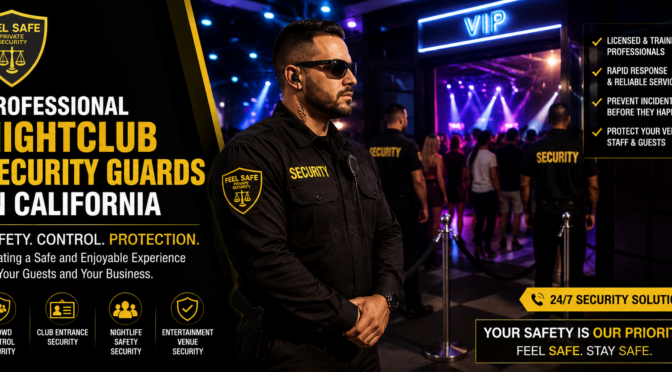
Why Nightclubs Need Professional Security Guards

Nightclubs are designed to provide entertainment, social interaction, music, and memorable experiences. However, behind every successful nightclub operation is a critical component that many guests rarely think about until something goes wrong: professional Security Guards. From managing crowded entrances and preventing altercations to ensuring emergency preparedness and protecting staff, security personnel play a fundamental role in creating a safe and enjoyable nightlife environment.

As nightlife venues continue to grow in popularity across California, nightclub owners face increasing responsibilities related to guest safety, risk management, and regulatory compliance. This is why many establishments invest heavily in nightclub security guards in California to help maintain order while delivering positive guest experiences.

The Growing Importance of Security Guards in Modern Nightlife Venues

The nightclub industry has changed significantly over the past decade. Today’s venues attract diverse crowds, host large-scale events, and operate in environments where safety expectations are higher than ever.

Guests want to enjoy a night out without worrying about fights, theft, overcrowding, or disruptive behaviour. Venue owners, meanwhile, must protect their reputation, employees, assets, and patrons.

Professional Security Guards serve as the first line of defence against many of these risks. Their role extends far beyond standing at the door. They actively contribute to venue operations by monitoring behaviour, identifying potential problems early, and responding appropriately when issues arise.

Real-World Example: Prevention Over Reaction

Experienced nightclub managers often report that the most valuable security interventions are the ones guests never notice.

For example, trained guards can identify escalating conflicts before they become physical altercations. By intervening early and calmly separating involved parties, security personnel prevent situations that could otherwise result in injuries, property damage, or legal liability.

This proactive approach demonstrates why professional security is about prevention, not simply enforcement.

Club Security: The Foundation of a Safe Nightlife Environment

Why Club Security Requires Specialized Training

Effective club security differs significantly from security in office buildings, retail stores, or residential properties.

Nightclubs present unique challenges, including:

  • Large crowds
  • Alcohol consumption
  • High-energy environments
  • Dim lighting conditions
  • Late-night operations
  • Emotional or intoxicated patrons

Professional security personnel working in nightlife environments require specialized training to manage these situations effectively while maintaining professionalism and respect.

Many venues seeking club security services California prioritize guards with experience in conflict resolution, crowd management, emergency response, and customer interaction.

The Balance Between Safety and Customer Experience

One common misconception is that visible security creates an intimidating atmosphere.

In reality, professional security personnel often enhance guest comfort. Most patrons feel safer knowing trained individuals are present to handle emergencies and maintain order.

The most effective security teams understand how to remain approachable while maintaining authority. This balance helps create a welcoming environment without compromising safety standards.

Nightlife Security: Managing Risks Before They Escalate

Understanding Nightlife-Specific Security Challenges

Nightlife security involves much more than monitoring entrances and checking identification.

Nightclubs face various operational risks, including:

  • Physical altercations
  • Overcrowding
  • Theft
  • Harassment incidents
  • Unauthorized entry attempts
  • Medical emergencies
  • Property damage

Professional nightlife security guards California are trained to recognize warning signs and implement preventative measures before situations escalate.

The Role of Nightlife Safety Security

Nightlife safety security focuses on protecting both patrons and employees throughout the venue.

For example, security personnel frequently monitor dance floors, bars, restrooms, and outdoor areas to identify potential concerns. Their visibility often deters disruptive behaviour before intervention becomes necessary.

This proactive presence contributes significantly to a venue’s reputation and guest satisfaction.

Bouncer Security: More Than Just Door Management

Common Misunderstandings About Bouncer Security

Many people associate bouncer security solely with denying entry or removing disruptive individuals.

While these responsibilities may occasionally be necessary, modern security practices involve much more sophisticated approaches.

Professional bouncers often:

  • Verify identification
  • Monitor occupancy limits
  • Observe guest behaviour
  • Assist with conflict de-escalation
  • Coordinate emergency responses
  • Support venue staff
  • Protect VIP areas

These responsibilities require strong communication skills, situational awareness, and professional judgment.

Club Entrance Security and Access Control

One of the most important aspects of nightclub safety is club entrance security.

The entrance serves as the venue’s primary control point. Effective access management helps prevent many common issues before they enter the establishment.

Professional security teams verify identification, monitor guest behaviour, assess intoxication levels, and ensure occupancy limits remain within safe parameters.

When managed properly, entrance security significantly reduces operational risks throughout the night.

Crowd Control Security: Keeping Large Gatherings Safe

Why Crowd Control Matters

Few nightclub risks are as serious as poor crowd management.

Without effective crowd control security, even minor incidents can quickly escalate into dangerous situations.

Professional crowd management includes:

  • Monitoring occupancy levels
  • Maintaining clear emergency exits
  • Managing queues efficiently
  • Directing guest movement
  • Preventing overcrowding in high-traffic areas

These measures help maintain a safe environment while reducing the likelihood of accidents and disruptions.

Nightclub Crowd Control Security California Best Practices

Experienced providers specializing in nightclub crowd control security California understand that every venue has unique operational requirements.

Effective crowd management strategies typically include:

  • Pre-event planning
  • Risk assessments
  • Staff coordination
  • Emergency response procedures
  • Real-time monitoring

These practices help ensure venues remain compliant with safety regulations while protecting guests and employees.

Event Security for Special Nightclub Functions

Why Event Security Requires Additional Planning

Many nightclubs host themed parties, celebrity appearances, concerts, and promotional events.

These occasions often attract larger crowds and increased security challenges.

Professional event security teams assist by:

  • Managing guest access
  • Protecting performers
  • Coordinating emergency responses
  • Monitoring crowd behaviour
  • Supporting venue operations

Proper event planning helps reduce risks while ensuring guests enjoy a safe experience.

Entertainment Venue Security During High-Profile Events

Entertainment venue security becomes particularly important during major events where attendance levels significantly exceed normal operations.

Additional security measures may include:

  • Enhanced access control
  • VIP protection
  • Additional patrol coverage
  • Emergency medical coordination
  • Crowd-flow management

These strategies help maintain operational control during busy periods.

Common Security Mistakes Nightclubs Should Avoid

Hiring Inexperienced Personnel

One of the most costly mistakes nightclub owners make is hiring security personnel based solely on price.

Inexperienced guards may lack the training necessary to manage complex situations effectively. This can increase liability exposure and negatively impact guest experiences.

Focusing Only on Physical Presence

Some venues believe security simply requires visible personnel at entrances.

However, effective security involves planning, communication, observation, documentation, and proactive intervention.

A well-trained security team contributes significantly more value than physical presence alone.

Ignoring Emergency Preparedness

Emergencies can occur without warning.

Professional security teams regularly participate in emergency planning and response exercises to ensure preparedness for medical incidents, evacuations, and other critical situations.

Expert Advice for Nightclub Owners

After years of observing nightclub operations and security management practices, one lesson consistently emerges: successful venues view security as an investment rather than an expense.

Professional security contributes directly to:

  • Guest safety
  • Employee protection
  • Reputation management
  • Risk reduction
  • Regulatory compliance
  • Long-term business success

Venue owners should prioritize ongoing training, clear communication, and proactive security planning.

Pro Tips From Industry Professionals

  • Conduct regular risk assessments.
  • Review emergency procedures frequently.
  • Encourage collaboration between management and security teams.
  • Prioritize de-escalation training.
  • Monitor guest flow throughout the venue.
  • Maintain detailed incident documentation.

These practices help create safer and more efficient nightlife environments.

How Professional Security Supports Long-Term Venue Success

Nightclubs operate in highly competitive markets where reputation matters.

Guests are more likely to return to venues where they feel comfortable and protected. Likewise, employees perform more effectively when they work in safe environments.

Professional nightclub security guards in California contribute directly to these outcomes by helping maintain order, reducing incidents, and supporting positive guest experiences.

Organizations such as Feel Safe Private Security understand the importance of combining professionalism, prevention, and customer-focused service to meet the unique demands of nightlife environments.

Conclusion

The success of any nightclub depends on more than entertainment, music, and atmosphere. Safety plays an equally important role in shaping guest experiences and protecting business operations.

Professional Security Guards provide critical support through conflict prevention, crowd control security, emergency preparedness, access management, and operational oversight. Their expertise helps reduce risks while creating safer environments for patrons and staff alike.

As nightlife venues continue evolving, the need for qualified nightclub security guards in California will remain essential. Whether managing routine operations or large-scale events, professional security personnel contribute significantly to both immediate safety and long-term business success.

For venue operators seeking dependable security solutions, companies like Feel Safe Private Security demonstrate how trained professionals can help support safe, organized, and successful nightlife environments without compromising the guest experience.

FAQS

1. Why are professional security guards important for nightclubs?

Professional security guards help maintain order, prevent incidents, manage crowds, monitor guest behaviour, and respond to emergencies. Their presence contributes significantly to patron safety and overall venue operations.

2. What makes nightclub security different from other types of security?

Nightclub environments involve alcohol consumption, large crowds, late-night operations, and elevated emotional situations. Security personnel working in these settings require specialized training in crowd management, de-escalation, and emergency response.

3. How does crowd control security improve nightclub safety?

Crowd control security helps prevent overcrowding, manage guest movement, maintain emergency access routes, and reduce the likelihood of accidents or conflicts. Effective crowd management is a critical component of nightclub safety planning.

4. Can professional security improve customer experience?

Yes. Guests often feel more comfortable and secure when trained security personnel are present. Professional guards help maintain a safe atmosphere while addressing concerns quickly and respectfully.

5. What should nightclub owners look for when hiring security personnel?

Nightclub owners should evaluate training, experience, licensing, communication skills, emergency response capabilities, and familiarity with nightlife environments. A strong security team should prioritize prevention, professionalism, and customer service.

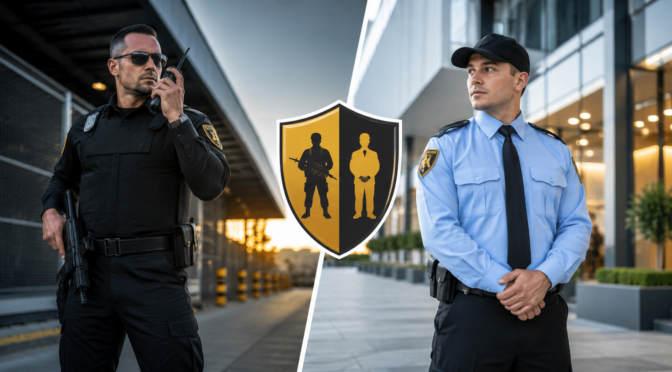
The Role of Unarmed Security Guards in Workplace Safety

Workplace safety is no longer limited to fire alarms, access badges, and surveillance cameras. Businesses today face a wide range of security concerns, from unauthorized access and theft to employee conflicts and visitor management challenges. As organizations seek effective ways to maintain safe environments without creating an intimidating atmosphere, unarmed security guards in California have become an increasingly valuable part of workplace safety strategies. Their ability to provide a professional presence, monitor daily activities, and respond to incidents helps organizations create secure, productive, and welcoming environments for employees, visitors, and customers alike.

Understanding the Growing Importance of Unarmed Security Guards

The modern workplace has evolved significantly over the last decade. Businesses now operate in diverse environments that include office buildings, healthcare facilities, educational institutions, warehouses, retail centers, and corporate campuses. While each setting has unique security requirements, they all share a common goal: protecting people and property while maintaining a positive atmosphere.

This is where Unarmed Security Guards play a critical role. Unlike armed personnel who may be reserved for higher-risk environments, unarmed officers focus on prevention, observation, communication, and rapid response. Their presence often serves as a deterrent while helping organizations maintain a professional and approachable security posture.

Many companies find that unarmed personnel effectively address everyday security concerns without creating unnecessary tension among employees or visitors. Their visibility contributes to safety while supporting a comfortable workplace culture.

Unarmed Security and Modern Workplace Protection

Why Unarmed Security Remains Effective

A common misconception is that security effectiveness depends solely on weapons or force. In reality, successful workplace protection often relies on prevention, awareness, communication, and consistent monitoring. Effective unarmed security personnel are trained to identify suspicious behavior, manage access points, document incidents, and intervene appropriately before situations escalate.

For many workplaces, security incidents involve unauthorized access, workplace disputes, theft prevention, visitor management, or emergency response coordination. These situations often require professionalism, observation skills, and sound judgment rather than physical force.

Creating a Safe and Welcoming Environment

One of the greatest advantages of unarmed officers is their ability to create a reassuring presence without appearing intimidating. Employees are often more comfortable approaching security personnel when they view them as accessible and supportive. This increased interaction can improve incident reporting and strengthen overall workplace awareness.

Organizations that prioritize both safety and positive workplace culture frequently benefit from this balanced approach.

Security Officers as the First Line of Prevention

Monitoring Daily Workplace Activities

Professional security officers play an essential role in monitoring routine activities throughout a facility. Their responsibilities often include verifying visitor access, conducting patrols, inspecting entry points, and observing workplace conditions that could create security risks.

Regular monitoring helps identify potential concerns before they become larger problems. For example, an officer may notice a malfunctioning access control system, unsecured entrance, or suspicious behavior that requires immediate attention. Early intervention often prevents incidents from disrupting business operations.

Supporting Emergency Preparedness

Security personnel frequently assist with emergency procedures, evacuation coordination, and incident reporting. Their familiarity with facility layouts and emergency protocols enables them to guide employees and visitors effectively during unexpected situations.

Businesses that incorporate security personnel into emergency planning often experience more organized and efficient responses when incidents occur.

Visible Security Presence and Employee Confidence

Why Visibility Matters

A strong visible security presence can significantly influence workplace safety. Employees tend to feel more secure when trained personnel are actively monitoring the environment and available to respond to concerns.

Visible security also serves as a deterrent to unauthorized activity. Individuals considering theft, vandalism, or other misconduct are often less likely to act when security personnel are present and attentive.

Real World Workplace Example

Consider a large corporate office building with hundreds of employees and daily visitors. Security personnel stationed at entrances and conducting regular patrols can quickly identify unauthorized individuals, assist visitors, and monitor activity throughout the property.

This proactive approach not only improves security but also enhances employee confidence by demonstrating that safety is a priority.

Security Guards and Workplace Safety Security Strategies

Supporting Comprehensive Safety Programs

Effective workplace safety security requires a combination of policies, technology, training, and personnel. Security guards often serve as the operational component that brings these elements together.

They help enforce access policies, monitor compliance with safety procedures, and provide immediate response capabilities when issues arise. Their ongoing presence allows organizations to maintain greater consistency in daily security operations.

Building Strong Communication Channels

Security personnel frequently serve as a bridge between employees, management, visitors, and emergency responders. Their ability to communicate effectively helps ensure concerns are addressed quickly and accurately.

Organizations with strong communication processes often experience fewer misunderstandings and more effective incident resolution.

Private Guards and Professional Security Standards

The Value of Professional Training

Qualified private guards receive training in observation techniques, conflict de-escalation, emergency response procedures, and customer service. These skills allow them to manage a wide range of situations while maintaining professionalism and composure.

Training also helps officers understand legal responsibilities, workplace policies, and appropriate response procedures. This knowledge contributes to safer and more consistent security operations.

Professional Conduct and Customer Interaction

Security personnel often interact with employees, vendors, clients, and visitors throughout the day. Their professionalism reflects directly on the organization they serve.

A courteous and knowledgeable officer can provide assistance, answer questions, and maintain security standards without creating unnecessary friction. This balance is particularly important in customer-facing environments.

Building Security Patrol and Property Monitoring Responsibilities

The Importance of Regular Patrols

One of the most valuable contributions security personnel make is conducting building security patrol activities. Regular patrols help identify vulnerabilities, monitor facility conditions, and ensure security procedures are being followed consistently.

Patrols may include inspecting doors, checking restricted areas, monitoring parking lots, and observing employee activity. These routine actions contribute significantly to workplace safety and risk reduction.

Effective Property Monitoring Practices

Comprehensive property monitoring involves more than simply observing physical spaces. Security personnel evaluate patterns, identify unusual activity, and document observations that may indicate emerging risks.

Modern security operations often combine physical patrols with surveillance systems and digital reporting tools. This combination enhances accountability and improves overall situational awareness.

Professional Unarmed Security Officers CA Businesses Trust

Organizations seeking professional unarmed security officers CA providers often prioritize experience, communication skills, and reliability. Effective officers understand how to maintain security without disrupting daily business operations.

Experienced personnel recognize that workplace environments require a customer-service mindset alongside strong security awareness. Their ability to interact professionally while maintaining vigilance contributes to safer and more productive workplaces.

Companies that invest in qualified personnel frequently see improvements in employee confidence, visitor management, and incident prevention.

Common Misconceptions About Unarmed Security Guards

Many people assume unarmed security personnel have limited effectiveness compared to armed officers. In reality, most workplace incidents do not require armed intervention. The majority of security concerns involve prevention, observation, communication, and policy enforcement.

Another misconception is that security personnel only respond to incidents after they occur. Effective officers spend much of their time preventing problems through visibility, monitoring, and proactive engagement.

Understanding these realities helps organizations make informed decisions about their security strategies.

Expert Tips for Maximizing Workplace Security

Businesses seeking to improve workplace safety should view security personnel as part of a larger risk management framework. Some practical strategies include:

  • Establish clear visitor management procedures.
  • Conduct regular security assessments.
  • Integrate security personnel into emergency planning.
  • Encourage employees to report concerns promptly.
  • Use technology to support patrol and monitoring efforts.
  • Maintain open communication between management and security teams.

These practices help maximize the value of security personnel while improving overall workplace resilience.

The Future of Unarmed Security Services

Workplace security continues to evolve alongside changing business environments and emerging risks. Organizations increasingly recognize the importance of prevention-focused security strategies that emphasize visibility, communication, and proactive monitoring.

Businesses evaluating private unarmed security services California providers often seek partners capable of adapting to changing operational needs while maintaining high professional standards. This trend reflects a growing appreciation for security solutions that support both protection and positive workplace culture.

Companies such as Feel Safe Private Security demonstrate how trained personnel, strong communication, and proactive security practices can contribute to safer workplaces. Their approach reflects the growing demand for professional security solutions that prioritize prevention and employee well-being.

For organizations considering licensed unarmed guards California, selecting experienced providers remains essential. A qualified team can help reduce risks, strengthen workplace safety initiatives, and improve daily operational confidence. Feel Safe Private Security represents the type of professional service many businesses seek when building comprehensive workplace security programs.

Ultimately, the role of Unarmed Security Guards extends far beyond monitoring entrances and conducting patrols. By combining observation, communication, prevention, and professionalism, they help organizations create environments where employees, visitors, and customers can feel safe and supported. As workplace security needs continue to evolve, providers such as Feel Safe Private Security remain valuable partners in achieving long-term safety objectives.

FAQS

1. What do unarmed security guards typically do in a workplace setting?

Unarmed security guards monitor entrances, verify visitor access, conduct patrols, observe workplace activity, document incidents, and assist during emergencies. Their primary focus is prevention, safety awareness, and maintaining a secure environment without relying on weapons.

2. Are unarmed security guards effective for workplace safety?

Yes. Most workplace security concerns involve access control, visitor management, theft prevention, and conflict de-escalation. Trained unarmed officers effectively address these issues through visibility, communication, and proactive monitoring.

3. What industries commonly use unarmed security guards?

Office buildings, healthcare facilities, schools, retail stores, warehouses, residential communities, corporate campuses, and commercial properties frequently utilize unarmed security personnel as part of their safety programs.

4. How does a visible security presence improve workplace safety?

A visible security presence deters unauthorized activity, encourages policy compliance, reassures employees, and allows security personnel to identify concerns before they escalate into larger incidents.

5. What should businesses look for when hiring unarmed security personnel?

Organizations should evaluate training standards, industry experience, communication skills, licensing, professionalism, emergency response knowledge, and the provider’s ability to customize security strategies based on specific workplace needs.

Armed vs Unarmed Security Guards: Which One Is Right for Your Business

Choosing between armed security guards in California and unarmed personnel is not just a budgeting decision—it’s a risk assessment decision that directly affects safety, liability, and business continuity. Many business owners only realize the importance of this choice after an incident occurs, which is often too late.

This guide breaks down the real-world differences between armed and unarmed security, when each is appropriate, and how to evaluate what your business truly needs. The goal is to help you make a confident, informed decision based on practical risk—not assumptions.

Understanding the Role of Security in Modern Business

Security today is no longer just about standing at a door or watching cameras. Threats have evolved—ranging from organized theft and workplace violence to infrastructure sabotage and emergency response gaps.

Businesses now rely on layered protection strategies that may include:

  • Physical deterrence through guards
  • Surveillance systems
  • Access control systems
  • Emergency response protocols
  • On-site patrol coverage

Within this system, both licensed armed security officers California and Unarmed Security Guards play important but very different roles.

Understanding where each fits is the foundation of building an effective security plan.

Armed Security Guards in California: When Higher Protection Is Required

Businesses typically consider armed security guards in California when the risk level exceeds what standard deterrence can manage.

Armed guards are trained professionals licensed to carry firearms and respond to high-threat situations. Their presence is both preventive and responsive.

Situations Where Armed Security Makes Sense

In real-world practice, armed protection is often recommended in environments such as:

  • Cash-intensive operations (banks, casinos, large retail chains)
  • High-value inventory storage facilities
  • Late-night businesses in high-crime areas
  • Logistics hubs and transport depots
  • Sensitive corporate or government-adjacent sites

In these environments, armed protection services California provide not only deterrence but also immediate response capability if a threat escalates.

Understanding Risk-Based Deployment

Security professionals don’t assign armed personnel randomly. The decision is based on a structured risk evaluation.

Key Risk Indicators

  • History of theft or attempted break-ins
  • Exposure to armed robbery threats
  • High-value assets stored on-site
  • Limited police response time in the area
  • Public-facing operations with unpredictable traffic

When these factors combine, armed security guards in California become a practical necessity rather than an optional upgrade.

When Unarmed Security Guards Are the Better Choice

Not every situation requires firearms or high-level tactical response. In fact, in many environments, Unarmed Security Guards are the more appropriate, cost-effective, and customer-friendly option.

Unarmed guards focus on:

  • Access control
  • Monitoring CCTV systems
  • Visitor management
  • Incident reporting
  • Conflict de-escalation

Ideal Use Cases for Unarmed Security

  • Corporate offices
  • Residential complexes
  • Schools and educational campuses
  • Retail stores with low theft risk
  • Medical clinics and reception areas

In these environments, visibility and communication matter more than force response.

The Real Difference in Capability

The distinction between armed and unarmed personnel is not just weapons—it’s training, responsibility, and legal authority.

FactorArmed GuardsUnarmed Guards
Response LevelHigh-risk interventionDe-escalation & reporting
Threat HandlingArmed threat responseNon-violent conflict resolution
DeterrenceVery highModerate
Risk EnvironmentHigh-risk security protectionLow to medium risk
CostHigherLower

This is why professional armed guards California are typically assigned only after a detailed site evaluation.

Where It Becomes Essential

Certain industries cannot rely solely on passive security measures.

1. Critical Infrastructure Protection

Facilities like power stations, water systems, and communication hubs require critical infrastructure protection strategies. Any disruption can impact entire communities.

Here, armed personnel help prevent sabotage, unauthorized access, and coordinated threats.

2. Emergency Response Security

In situations where threats escalate quickly, response time is everything.

Emergency response security teams trained for armed deployment can:

  • Contain active threats
  • Secure evacuation routes
  • Coordinate with law enforcement
  • Stabilize high-risk incidents

This is especially important in large commercial environments or public-facing facilities.

3. Armed Facility Security

Certain properties require continuous armed oversight due to asset sensitivity.

Examples include:

  • High-value warehouses
  • Data centers
  • Financial storage facilities
  • Government-related infrastructure

This level of armed facility security is designed to prevent both internal and external threats.

Mobile Protection Strategy

Unlike static guards, armed patrol security services California involve mobile units that monitor multiple points within a property or district.

This approach is effective because:

  • It reduces blind spots
  • Increases unpredictability for potential intruders
  • Improves rapid response coverage
  • Enhances perimeter control

Security patrol systems are often used in large industrial zones or multi-building campuses.

Practical Insights from Field Experience

Security planning is not theoretical—it is based on real incidents, patterns, and response outcomes.

Visibility Alone Can Deter Crime

In many cases, simply having trained personnel on-site reduces attempted incidents by a significant margin.

Response Time Matters More Than Equipment

Cameras record incidents—but guards prevent escalation in real time.

Hybrid Security Models Work Best

Many businesses use a combination of armed and unarmed personnel depending on zones within the same property.

For example:

  • Unarmed guards at entry points
  • Armed guards for perimeter patrol or high-value zones

Common Mistakes Businesses Make

1. Choosing Based Only on Budget

Selecting unarmed security purely to save costs often leads to higher losses in high-risk environments.

2. Misjudging Risk Level

Businesses often underestimate how quickly their risk profile can change due to location, growth, or public exposure.

3. Over-reliance on Technology

Security systems are important, but they cannot physically intervene during an incident.

4. Ignoring Licensing and Compliance

Only properly vetted licensed armed security officers California should be deployed in armed roles.

Expert Advice: How to Choose the Right Option

Security experts typically recommend a structured evaluation:

Step 1: Conduct a Risk Assessment

Identify threats, vulnerabilities, and asset value.

Step 2: Analyze Incident History

Review past security incidents or near-misses.

Step 3: Evaluate Environment

Consider surrounding crime rates, accessibility, and visibility.

Step 4: Match Security Type to Risk Level

  • Low risk → Unarmed Security Guards
  • Medium risk → Hybrid model
  • High risk → Armed deployment

At this stage, providers like Feel Safe Private Security typically design a customized solution based on operational needs rather than generic packages.

Why Movement-Based Protection Matters

Static security has limitations. Security patrol systems add a dynamic layer that improves coverage.

Benefits include:

  • Unpredictable monitoring routes
  • Faster detection of suspicious activity
  • Broader property coverage
  • Improved deterrence in large areas

This is particularly effective for warehouses, industrial parks, and multi-entry facilities.

Final Comparison:

The decision ultimately depends on risk, not preference.

  • Choose Unarmed Security Guards when safety needs focus on monitoring, customer interaction, and low-risk environments.
  • Choose armed security guards in California when threats involve theft, violence risk, or critical asset protection.

Both roles are essential in modern security planning—but they serve very different purposes.

Conclusion

The choice between armed and unarmed security is not about which is “better,” but which is appropriate for your environment.

Businesses dealing with high risk security protection, sensitive infrastructure, or emergency exposure often require armed personnel. Others operate effectively with unarmed guards supported by systems and protocols.

The key is accurate risk assessment and professional guidance. With the right strategy, businesses can achieve strong protection, operational continuity, and peace of mind without unnecessary costs or gaps in coverage.

FAQs

1. When should a business hire armed security guards in California?

A business should consider armed security guards in California when there is a credible risk of theft, violence, or protection of high-value assets. This includes cash-heavy operations, warehouses, and high-risk zones.

2. Are Unarmed Security Guards enough for most businesses?

Yes, in low-risk environments like offices, clinics, and residential buildings, Unarmed Security Guards are usually sufficient. They focus on prevention, monitoring, and de-escalation.

3. What is the main difference between armed and unarmed security?

The key difference is response capability. Armed guards can respond to high-threat situations, while unarmed guards focus on observation, reporting, and conflict prevention.

4. Do armed guards improve emergency response security?

Yes. Emergency response security is significantly enhanced with armed personnel because they can respond immediately to escalating threats before law enforcement arrives.

5. What is included in armed patrol security services California?

Armed patrol security services California typically include mobile surveillance, perimeter checks, rapid response coverage, and continuous monitoring of large or high-risk properties.